Succession planning is one of the most important—and emotionally complex—decisions a family business will ever face. It’s not just about naming a successor or setting a retirement date. It’s about balancing legacy and livelihood, relationships and results, and short-term realities with long-term vision.
Without a clear roadmap, succession can become reactive, divisive, and costly. With the right structure, however, it becomes a powerful tool for continuity, growth, and family harmony. A well-designed succession roadmap protects both the business itself and the people behind it.
Why Succession Planning Requires a Roadmap
Many family businesses delay succession planning because it feels uncomfortable or premature. Others assume informal conversations will be enough. Unfortunately, these approaches often leave gaps that surface at the worst possible time—during illness, unexpected exits, or family conflict.
A succession roadmap provides clarity and direction by answering key questions in advance:
- Who will lead the business in the future?
- How and when will ownership transfer?
- What role will family members play—or not play?
- How will decisions be made during and after the transition?
Without documented answers, uncertainty can erode trust, disrupt operations, and put both family relationships and enterprise value at risk.
Step One: Separate Family, Ownership, and Management Roles
One of the most common sources of conflict in family businesses is role confusion. Family membership does not automatically equal management authority, and ownership does not always mean operational leadership.
An effective succession roadmap clearly distinguishes between:
- Family roles (values, legacy, and relationships)
- Ownership roles (equity, voting rights, financial interests)
- Management roles (day-to-day leadership and accountability)
Clarifying these distinctions helps ensure decisions are made based on capability and strategy, not emotion or entitlement. It also creates space for non-family executives to contribute meaningfully without feeling overshadowed by family dynamics.
Step Two: Define the Future Vision—Together
Succession planning isn’t just about replacing today’s leader; it’s about defining what the business should become. Before selecting successors, families should align around a shared vision for the future.
Key questions to address include:
- Does the family want the business to remain family-owned long-term?
- Is growth a priority, or is stability the primary goal?
- Could a future sale, merger, or ESOP be part of the strategy?
When families align on the “why” and “where,” the “who” becomes much clearer. A shared vision reduces misalignment and ensures successors are prepared to lead the business in the direction everyone supports.
Step Three: Identify and Prepare Future Leaders Early
One of the biggest mistakes in succession planning is waiting too long to prepare the next generation. Leadership readiness doesn’t happen overnight.
A strong roadmap includes:
- Identifying key leadership roles—not just the CEO
- Assessing current and future skill requirements
- Creating development plans for potential successors
- Providing mentorship, coaching, and external experience
Importantly, succession planning should be based on competence and commitment, not birth order. In some cases, the best successor may not be a family member at all—and acknowledging that possibility early can prevent resentment later.
Step Four: Establish Governance to Reduce Conflict
Governance is the backbone of a successful succession roadmap. It creates structure for decision-making and provides mechanisms to address disagreement before it escalates.
Common governance tools include:
- Boards of directors or advisory boards with independent members
- Family councils to address family-related matters separately from operations
- A family business constitution outlining values, policies, and expectations
These structures help depersonalize difficult decisions, introduce objectivity, and ensure accountability during transitions. They also protect the business from being paralyzed by family disagreements.
Step Five: Address Ownership and Financial Transitions Thoughtfully
Leadership succession and ownership transition are not the same, and confusing the two can create serious problems. A comprehensive roadmap addresses both.
This includes planning for:
- Equity transfer timelines
- Buy-sell agreements
- Estate and tax considerations
- Fair treatment of active and non-active family members
When ownership issues are left unresolved, resentment can grow, especially among family members who rely on the business for income but are not involved in operations. Transparency and professional guidance are essential here.
Step Six: Communicate Early and Often
Silence breeds speculation. One of the most overlooked aspects of succession planning is communication—with family members, key employees, and stakeholders.
A clear roadmap outlines:
- When and how succession plans will be shared
- What employees can expect during transitions
- How leadership changes will impact roles and culture
Consistent communication builds trust, reduces anxiety, and helps retain top talent during periods of change.
A Succession Roadmap Is a Living Strategy
Succession planning is not a one-time exercise. Businesses evolve, family dynamics change, and markets shift. The most effective roadmaps are reviewed and updated regularly to reflect new realities.
By treating succession as an ongoing strategic priority—not a last-minute contingency—family businesses dramatically increase their chances of long-term success.
Protect the Legacy You’ve Built
A thoughtful succession roadmap does more than plan for leadership change. It protects family relationships, preserves enterprise value, and ensures the business can thrive beyond the current generation.
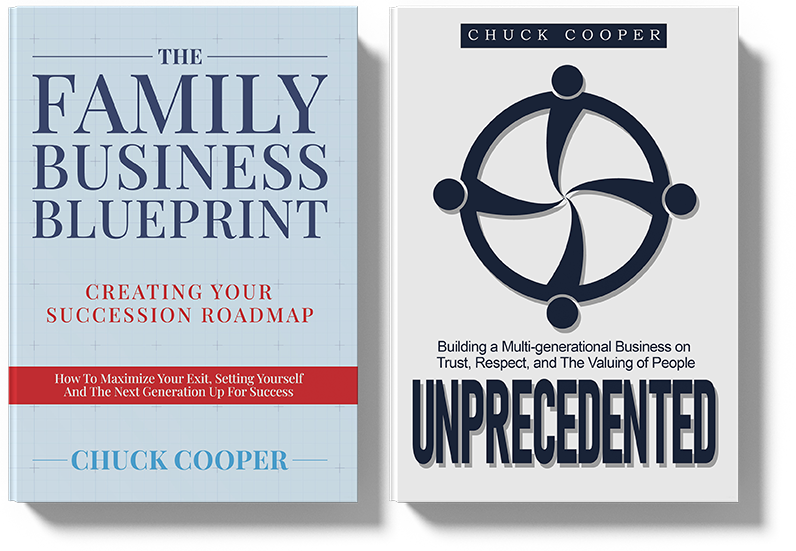
At WhiteWater Consulting, we specialize in helping family-owned and closely held businesses design succession roadmaps that balance emotion with strategy. From governance design to leadership development and ownership planning, we provide the clarity and structure needed for confident transitions. And to learn how we can help, check out “The Family Business Blueprint” by WhiteWater Consulting’s President, Chuck Cooper.
Ready to build a succession roadmap that protects both your family and your business?
Contact WhiteWater Consulting today to start planning for a future that honors your legacy and strengthens your organization for generations to come.